

The gaming industry has long ceased to be a one-way process where developers create and players simply consume. Today, it’s the communities that shape how projects evolve, which ideas become trends, and what ultimately earns recognition. Fandoms aren’t just an audience — they’re a driving force capable of extending a game’s lifespan for years. Their activity influences sales, updates, balance, and even lore. I’m convinced that without fan involvement, many famous franchises would have faded away long ago — it’s the fans who give games a second life.
Games That Live Because of Their Fans
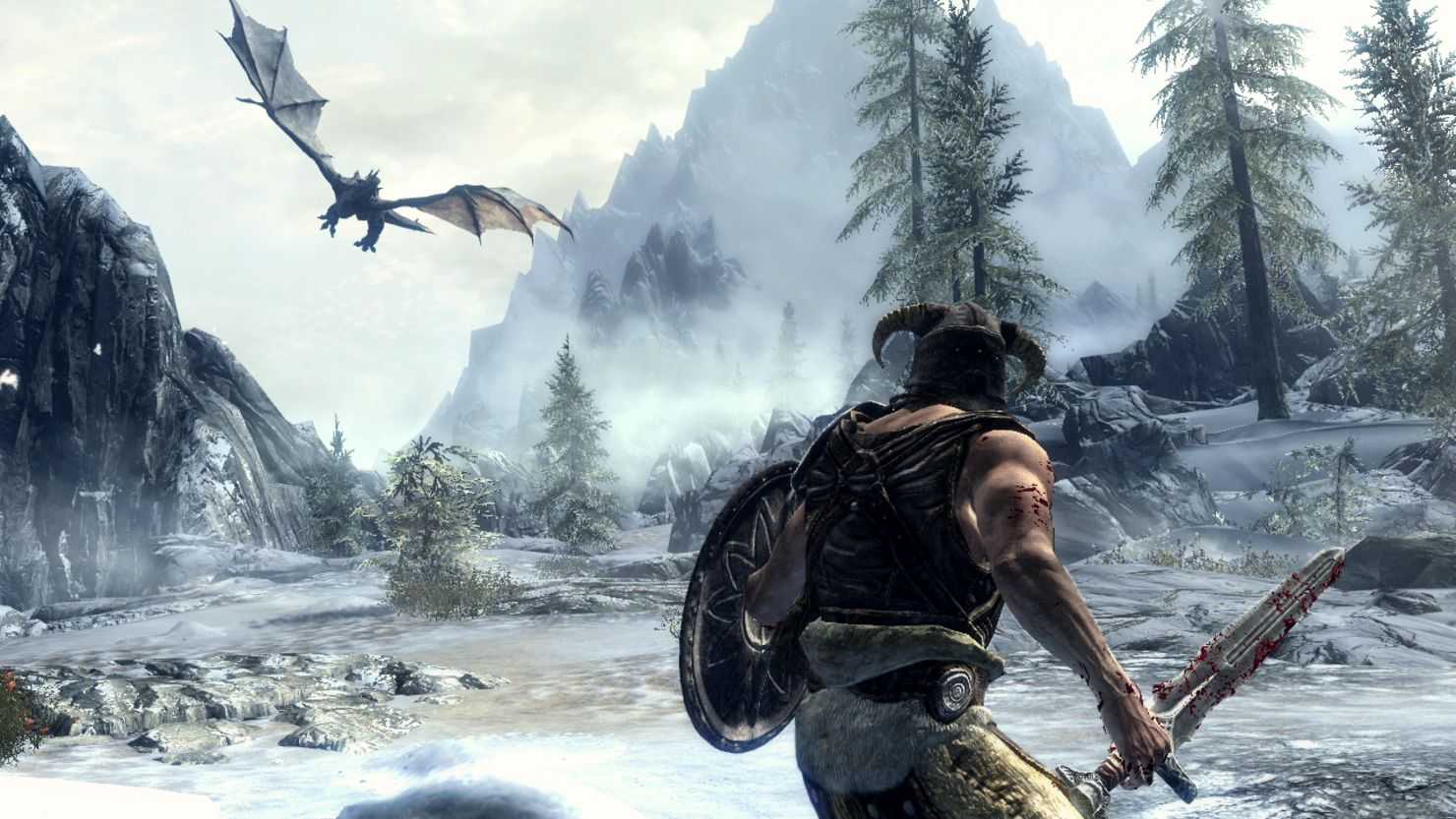
Some games have managed to endure not because of major updates or marketing campaigns, but thanks to their audiences. Minecraft, Skyrim, and The Sims have become true creative platforms where the community acts as a co-developer. Players create mods, new modes, custom stories, and even entire worlds, transforming the games beyond recognition. Because of this, these titles remain relevant for decades — they’re constantly reimagined, improved, and shared. Developers often just watch as their games take on lives of their own, evolving to match the interests of players.
With online games, this process becomes even more fascinating. Here, fans don’t just create content — they shape how the game is perceived. Esports communities build cultures of observation, discussion, and analysis, turning every event into part of a larger narrative. In League of Legends, for instance, a significant portion of interest in the game is driven by fan discussions, the esports scene, and lol live scores, which make competitions truly interactive. Players and viewers track results, debate strategies, analyze patches, and follow the shifting meta. As a result, LoL has become more than a game — it’s a constantly evolving ecosystem where the community itself is the main driving force.
The same is true for other games. Counter-Strike, Dota 2, and Warframe operate on similar principles — fans sustain these projects through tournaments, guides, fan art, and streams. Even when developers take a step back, it’s the audience that keeps the momentum going and maintains the conversation around the game. Fandoms become part of its DNA: they set the tone, preserve traditions, and inspire future growth. That’s why such projects rarely “die” completely — fans always find a way to bring them back to life.
When Fans Influence Development
Modern developers increasingly see players not just as consumers but as active participants in the creative process. Communities have become integral to development — the voice of fans can change balance, storylines, and even a game’s overall concept. After the troubled launch of Cyberpunk 2077, CD Projekt RED openly admitted that community feedback was crucial in fixing mistakes and rebuilding trust. Players didn’t just complain — they offered concrete solutions, from UI improvements to NPC behavior tweaks. This example proved that fans aren’t just critics; they’re collaborators who care deeply about shaping the game they love.
Bungie followed a similar path with Destiny 2. The studio regularly conducts surveys, discusses future updates, and adjusts balance based on player reactions. This ongoing dialogue has made the game feel “alive” — constantly evolving to meet audience expectations while maintaining its identity. Even studios known for their reserved approach, like FromSoftware, have felt fan influence: discussions on forums and streams helped shape which elements of Elden Ring could be made more accessible without losing its signature atmosphere.
This form of communication is no longer just a trend — it’s a necessity. Games today are collaborative creations where fans act as beta testers, advisors, and sometimes even co-authors. When developers genuinely listen to their communities, everyone benefits: players get experiences that reflect their expectations, while studios earn loyal audiences ready to support their projects for years to come.
Fandoms as a Cultural Phenomenon
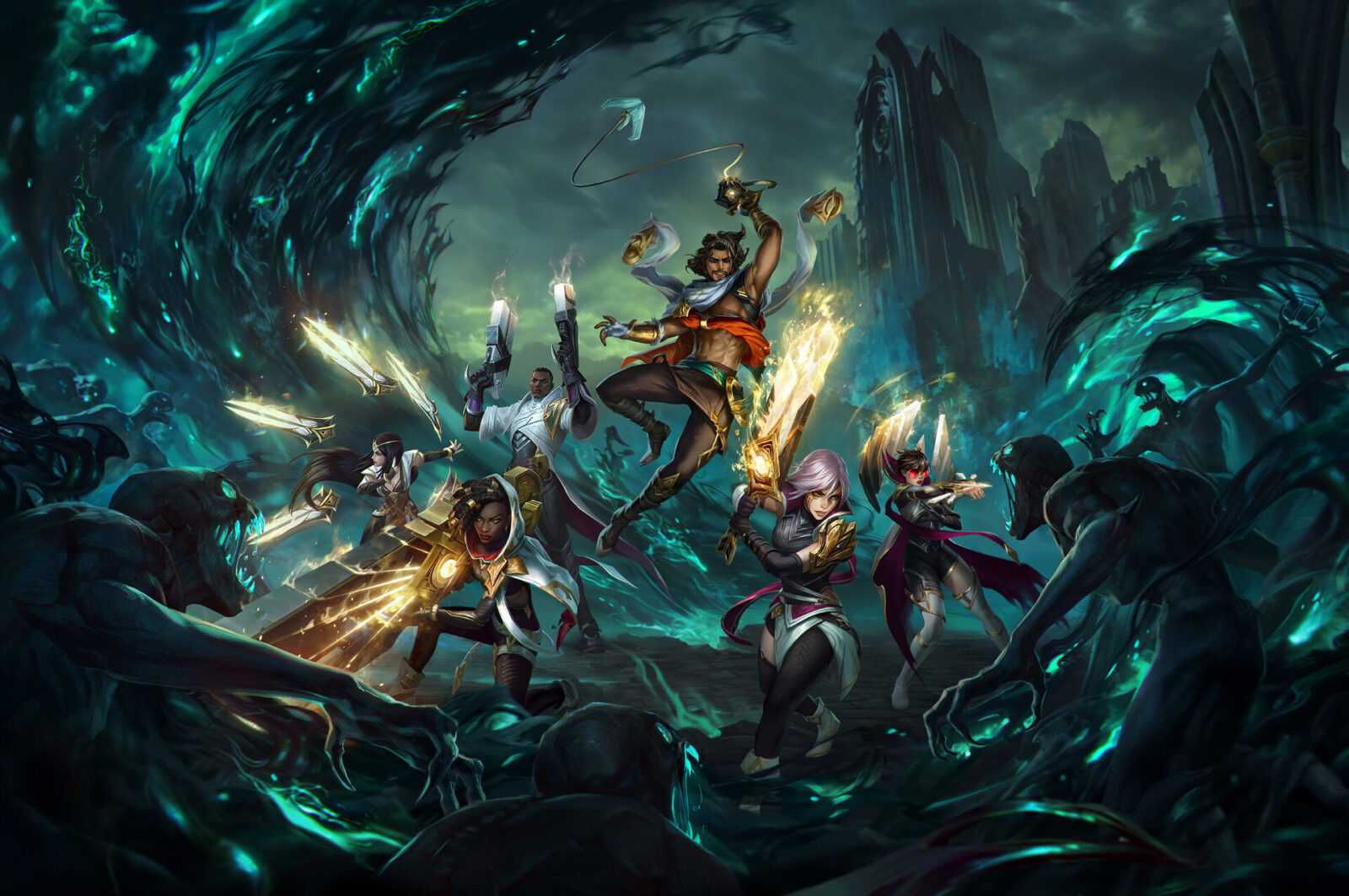
Fandoms have long since moved beyond being just gaming communities — they’ve become full-fledged cultural phenomena. Games no longer exist in isolation: they inspire art, music, literature, and visual trends. Players create fan art, comics, videos, fan fiction, and mods, turning virtual worlds into spaces of collective creativity. Undertale, Genshin Impact, and Baldur’s Gate 3 are great examples of how deep audience engagement can give rise to unique cultural movements. These titles have transcended the boundaries of gaming — they’ve become sources of inspiration for artists, musicians, and writers, spreading their influence far beyond the industry itself.
Interestingly, fans often become guardians of a game’s identity. Sometimes they’re even stricter than the developers, protecting the project from changes they believe would compromise its original spirit. Heated debates frequently emerge around Final Fantasy, League of Legends, or The Legend of Zelda: should the art style evolve, should the gameplay be simplified, should the story be rewritten? These discussions reveal just how deeply players are emotionally invested. For many, a game isn’t just entertainment — it’s a personal experience, something they feel compelled to defend.
Yet this passion carries its own risks. Overly devoted fandoms can create pressure, expecting the impossible or rejecting any form of innovation. Balancing creative freedom with respect for the original vision has become one of the greatest challenges for developers. Still, it’s precisely this passion that keeps games alive — turning them into dynamic cultural organisms that continue to evolve and inspire long after their release.
Game Worlds as Social Spaces
Modern games have evolved far beyond mere entertainment — they’ve become full-fledged social environments. In MMOs, shooters, and competitive titles, players don’t just complete objectives; they build relationships, form groups, and even create entire subcultures. Within these worlds, traditions, jokes, rituals, and unique slang emerge — the kind that often spills over into real life. Games have become spaces where people can find friends, feel belonging, and express themselves just as vividly as in any real-world community.
Fortnite is a perfect example of how a game can transform into a cultural ecosystem. Concerts, live events, and crossovers with brands and movies have turned it from a simple shooter into a virtual space where people gather for shared emotions, not just victories. The same is true for Roblox, where younger players create their own worlds and share them with others, turning the game into a platform for creativity and self-expression.
Fandoms around League of Legends, Valorant, and other major titles show how games can connect people even more strongly than social media. Tournaments, fan meetups, patch discussions, and casual matches have become part of everyday life. For many, it’s not just a hobby but a way to belong — to be part of a community that understands them. Game worlds have become new digital cities — complete with their own culture, norms, and rhythm — where virtual connections often feel more genuine than those beyond the screen.
Conclusion
Fans are not just an audience — they’re co-authors of modern gaming. They shape trends, extend the lifespan of projects, and turn games into living worlds where everyone can find their place. I believe this is where the true future of the industry lies — in collaboration between developers and players, where both sides create not just a product, but an entire culture.
 Founder & Head Performance Strategist