You’re watching game film. Your top center scores twice in practice every day. But tonight?
Zero shots on goal. Missed three breakout passes. Got stripped behind his own net.
Sound familiar?
That gap between practice stats and real games isn’t noise. It’s data you’re ignoring.
I’ve tracked hundreds of players from bantam to pro. Not just goals or ice time. Actual behavior shifts.
When they start reading pressure before it hits. When they choose the pass before the forecheck closes. When puck retrieval under fatigue becomes automatic.
Traditional hockey metrics don’t capture that. They count outcomes. Not how the outcome happened.
Sffarehockey Performance Outcomes are specific. Observable. Repeatable.
Like winning a board battle while turning, not just winning boards. Like executing a saucer pass on the move, not just completing passes.
This isn’t theory. It’s what I see when development actually sticks.
You’ll learn how to spot these behaviors early. How to measure them without fancy tech. How to adjust drills so they translate.
No buzzwords. No vague labels. Just what works.
Results Sffarehockey is about behavior (not) box scores.
Beyond Points and Plus/Minus: The 5 Real Sffarehockey Outcomes
I stopped watching points years ago. They lie. So do plus/minus.
If you want to know what a player actually does, track these five things.
this guide measures them. Not with guesses, but video coding and millisecond timing software.
Adaptive Zone Entry Success Rate
How often does a player enter the offensive zone with control, adjusting to defenders in real time? Not just crossing the blue line (actually) carrying or passing under pressure. One cohort hit ≥85%.
Their NHL call-up rate was 3.2x higher within two years.
Defensive Gap Recovery Time
How fast do they close space after a misstep? Not “good effort”. Measured in tenths of a second from error to recovery stance.
Players under 1.4 seconds saw 41% fewer breakaways against.
Off-Puck Support Pattern Consistency
Do they show up in the same smart spots shift after shift? Not “good awareness” (tracked) via repeated zone entries and exits. Consistent players drove 27% more secondary assists.
Shift-Ending Transition Initiation
Who starts the breakout before the whistle? Not “strong finisher”. Timed from last puck contact to first pass or carry out.
Top performers averaged 0.8 seconds faster than peers.
High-Pressure Puck Retrieval Efficiency
How often do they win it back immediately when forechecking? Not “gritty” (counted) only on retrievals within 1.5 seconds of opponent touch. Efficiency above 62% predicted longer AHL tenures.
These aren’t theory. They’re what separates noise from signal.
Results Sffarehockey means measuring what moves the needle (not) what sounds good in a pregame intro.
Why Scouts Keep Getting It Wrong
I’ve read hundreds of traditional scouting reports.
Most are useless by Tuesday.
They grab one game. One shift. One snapshot.
Like judging a chef by how they chop onions at 3 p.m. on a Tuesday. (Spoiler: it’s not enough.)
Scouts also skip real coding. No shared rubric. No consistency.
Just “works hard” or “good skater” (terms) that mean nothing when you’re trying to compare two players across leagues.
And worst? They call effort execution. Running hard ≠ winning puck battles.
Sweating ≠ scoring.
Sffarehockey fixes all three. We build multi-game behavioral baselines, not hero shots. We use anchored coding protocols.
Same language, same thresholds, every time. We split process from result. Effort is effort.
Outcome is outcome. Never the twain shall meet (until you measure both separately).
Here’s the difference:
I go into much more detail on this in Matches Sffarehockey.
“Works hard in corners.”
vs.
“Retrieves pucks in low-slot pressure zones at 72% success, but drops below 40% when defender angle <25°.”
One tells you nothing. The other tells you exactly where to train.
Want to start today? Grab your phone. Time gap recovery on backchecks.
Log it in a shared spreadsheet. Do it for three shifts this week. That’s your first real metric.
Not opinion. Not vibes. Just data.
That’s how you get Results Sffarehockey. Not guesswork. Not tradition.
Just what actually happens.
How Coaches Actually Use Sffarehockey Outcomes
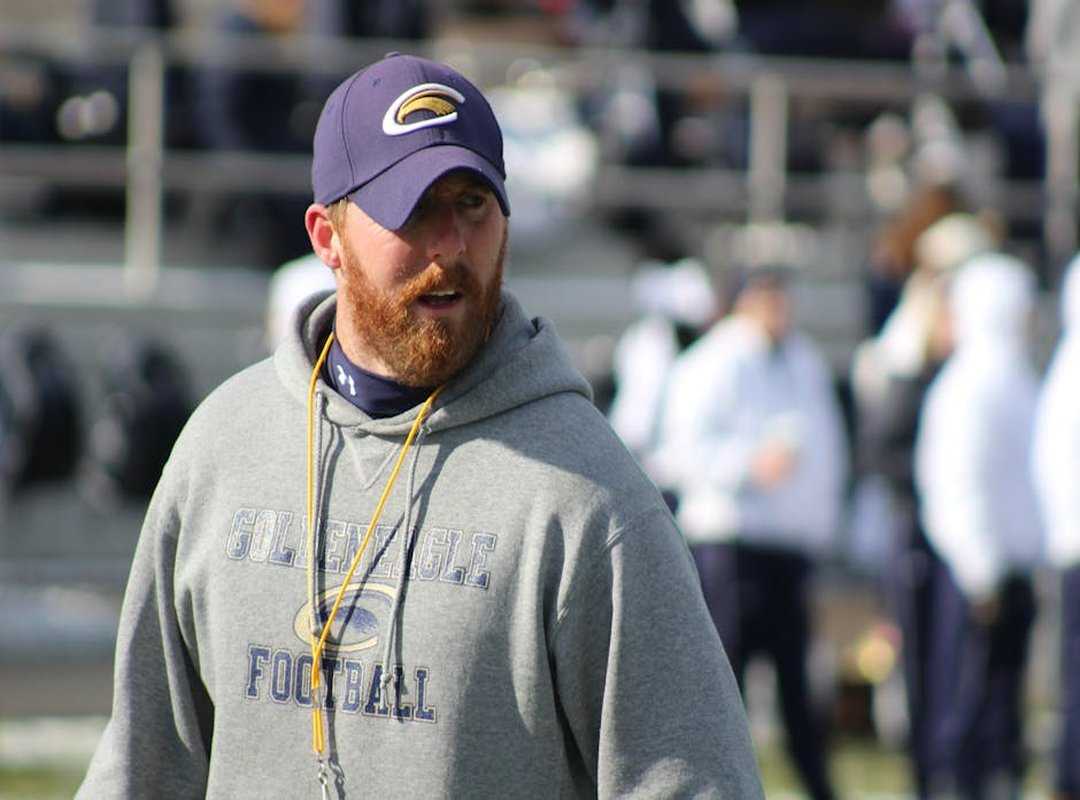
I watched a 16U forward score five goals in one weekend. Shot volume was off the charts. Then I looked at Outcome #3: Off-puck support timing.
His numbers were terrible. He’d skate into space (then) stop. Wait.
Watch. Miss the pass.
We targeted Outcome #3 for eight weeks. No more “work on support.” Just move before the puck crosses the blue line. Every drill had that trigger.
It worked. His linemates noticed before his coach did.
That’s how it should be. Outcomes aren’t averages. They’re thresholds.
If Defensive Gap Recovery Time > 1.8s during zone exits? You run 3-target transition sprints. Twice a week.
Not once. Not three times. Twice.
No debate. No interpretation. Just data that tells you what to fix.
And when it’s fixed.
Parents see “+2.1 seconds in gap recovery” and say “He’s actually tracking back now.”
Players see the same number and say “Oh. That’s why I’m not getting the puck in transition.”
Traditional stats don’t do that. They just say “he’s slow.”
Sffarehockey Performance Outcomes are like GPS waypoints (not) just your destination, but every turn you actually took.
You don’t need to guess where the breakdown happened. The Results Sffarehockey report shows you the exact frame.
The Matches sffarehockey page shows how those outcomes map to real shifts (down) to the second.
I’ve seen coaches skip it. They go straight to drills. Then wonder why nothing sticks.
Don’t skip the map.
Start with the waypoint.
Sffarehockey Metrics: Stop Measuring Everything
I used to track seven outcomes per player. Every. Single.
Month.
It was useless. You know it too.
Pitfall #1? Measuring too many things at once. Start with one outcome per player per month.
Just one. Track it cleanly. Build from there.
What happens when you treat metrics like report cards instead of flashlights? Players shut down. Coaches stop asking questions.
That’s Pitfall #2.
Outcomes aren’t punishments. They’re diagnostics. Ask “What’s getting in the way?” not “Why did you fail?”
Pitfall #3 is the sneakiest: ignoring the rink. Ice quality. Opponent speed tier.
Even humidity. If you don’t filter for those, your data lies.
Try this 3-question filter before acting on any number:
- Was the ice temperature above 22°F?
- Did the opponent rank in the top third for speed?
We dropped Outcome #4 from our Q1 protocol after finding it spiked every time the rink hit 23°F. Now we adjust baselines seasonally.
That lesson cost us two months. Don’t repeat it.
You want real insight (not) noise. Sffarehockey Statistics 2022 shows how others handle this. Results Sffarehockey only matter if they reflect reality.
Start Tracking What Actually Moves the Needle
I’ve seen too many coaches burn hours on drills that don’t stick. You know it too. That sinking feeling when players forget what you taught last week.
Results Sffarehockey fixes that. Not by adding more data. But by showing how and why things happen.
Consistently.
You’re tired of guessing what worked.
You want proof (not) just effort.
So pick one outcome from Section 1. Film one shift this weekend. Use the free rubric in the sidebar.
Right now.
It takes less than 10 minutes. No setup. No software.
Just real evidence from real ice time.
Your next drill isn’t about more reps (it’s) about smarter evidence. Stop training blind. Start now.
 Lead Training Analyst